Referenties per integratie

Qliqpoint cash register system

Praktijkvoorbeelden

0 References

  • Modehuis Boersma

    Modehuis Boersma

    Four generations of fashion, a wide range of brands and a store that continues to develop. For Modehuis Boersma, it became increasingly important to organize product information as well as the store itself. With Latest Collection, available item data from brands are brought together, so new collections can be processed with less manual work for the store and online sales.

    The challenge

    Modehuis Boersma Has been active in the Dutch fashion industry for four generations. What once started as a wool shop on Hoofdstraat Oost grew into a multi-brand fashion retailer with a wide range of brands and its own online sales channel. Over the years, not only the store has changed, but also the amount of information needed to properly sell a collection.

    With every new collection, large amounts of product information are also being entered alongside the garments themselves. Article numbers, EAN codes, sizes, colors, prices, and other item details must be available at the right time in the systems used by the store team.

    In a retailer like Modehuis Boersma, with many different brands, that information flow can quickly become fragmented. One brand provides data through a file, another uses a different structure, and sometimes some of the information is not available when the collection arrives. Employees have to check, update, or re-enter data before items are ready for use.

    That work often takes place exactly when there is already enough to do in the store. New collections need to be unpacked, presented, and prepared for sale. At the same time, the right product information must be available for the checkout and the online channel.

    That is precisely why well-organized product data for fashion retailers is becoming increasingly important. The less time employees spend re-building information that is already available to the brand, the faster a collection can be put to actual use.

    For Fashion House Boersma, the challenge therefore lay not only in collecting data, but above all in creating a workable and reliable route from brand to store.
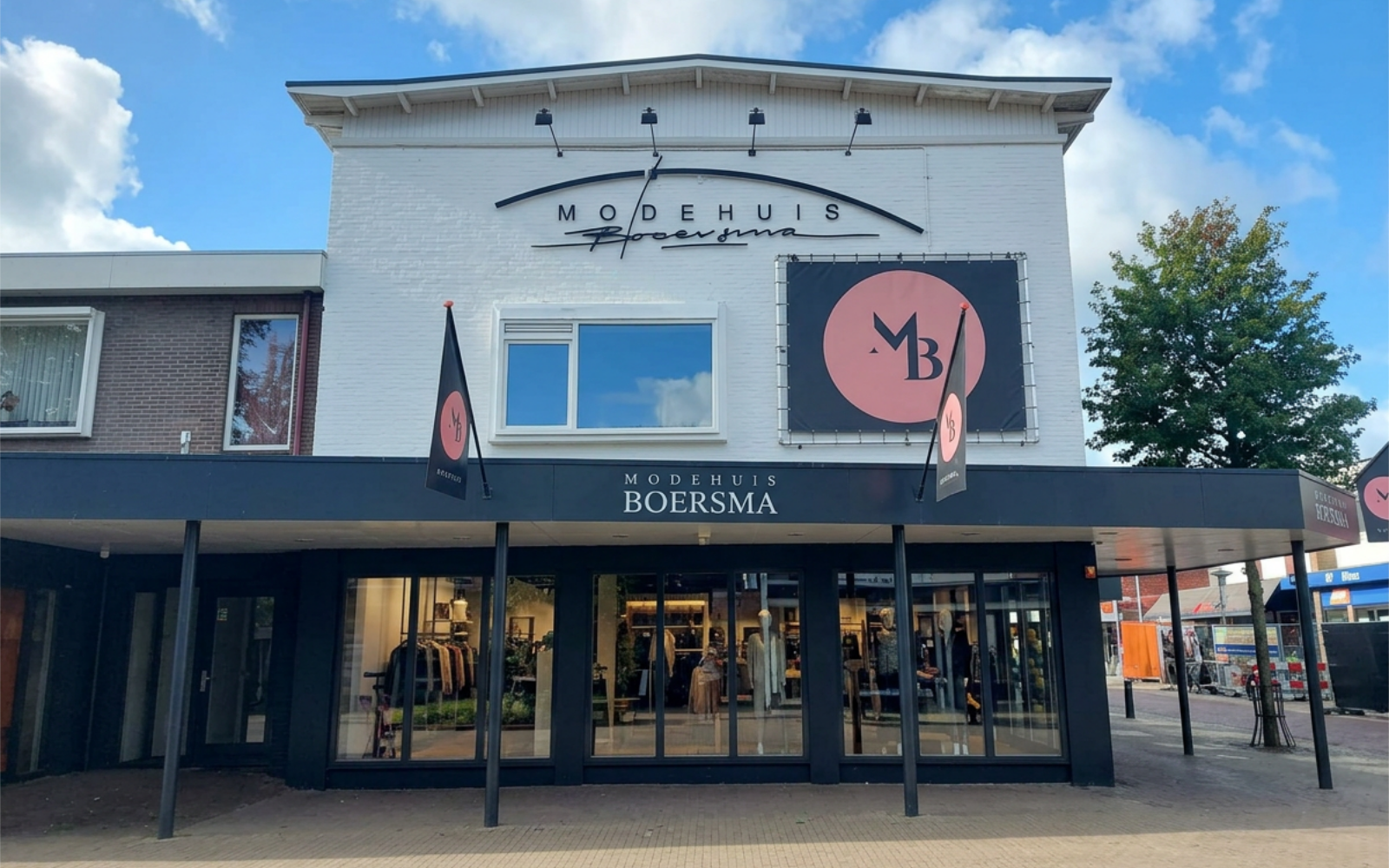
    Shop Fashion House Boersma Wolvega

    The solution

    Latest Collection brings available product data from fashion brands together in a single central environment. Article information is collected and standardized, so that it can be made further available to retailers via connected systems.

    For Fashion House Boersma, this means that article data that is already available does not need to be manually compiled again for every new collection. Information such as EAN codes, sizes, colors, prices, and other product details can be further processed from a central data source within the systems used by the retailer.

    This creates a clearer data flow. Instead of having to re-determine how information should be processed for each brand individually, there is now one central base where available brand data is gathered.

    This makes it easier to prepare new collections. When data is already available, employees need to enter the same information less often or have to search for it from different files.

    There is also greater consistency between the different sales channels. The physical store and the online channel ultimately use the same products and therefore benefit from a reliable base of product information.

    Latest Collection does not take over the retailer’s day-to-day operations. The platform instead ensures that product data can be better organized in the background, so that the staff at Modehuis Boersma no longer has to deal with technical data processing behind their cash register system.

    For Fashion House Boersma, this fits well with the way the store operates: technology supports the process, but never takes center stage. The focus remains on the collection, the store, and the customer.
    Data Latest Collection Modehuis Boersma with a Qliqpoint cash register

    From brand to store floor

    The value of central product data lies primarily in the route that information takes. A brand has article data, which ultimately needs to be entered into the retailer's systems.

    The more parties and systems involved in this process, the greater the risk that data will be entered again, misinterpreted, or kept in different places.

    By centralizing and standardizing available brand data, that route becomes more manageable. The same information can then be used within connected point-of-sale systems, software platforms, and other sales channels. View our connected partners here.

    For a multi-brand retailer like Modehuis Boersma, this is important. After all, the assortment does not consist of a single brand with a consistent approach, but of different collections that all include their own product information.

    A central data stream helps to better capture those differences without requiring the store team to reinvent the wheel for each brand.

    The result

    For Fashion House Boersma, a more centralized product data flow primarily provides greater visibility and less repetitive input work. New collections can be prepared more efficiently, and employees are less dependent on separate files and different methods of submission.

    That doesn't mean that all manual tasks will disappear. Product information remains something that requires attention and not every brand provides exactly the same data. However, there is a better basis for working with that information.

    When available product data is collected centrally, less information needs to be built from scratch. This makes the process around new collections more manageable and gives employees more room to focus on the store itself.

    Ultimately, this is also relevant for the customer. Good product information supports a shopping environment where items are recognizable and correctly available, both in the physical store and online.

    For Fashion House Boersma, this way of working fits a company that has been changing for generations without losing its own character. The systems in the background are becoming increasingly smarter, while on the shop floor the same central focus remains: a strong collection, personal advice, and attention to the customer.

    The technology does as much of the work as possible in the background. The focus remains where it belongs: on the collection, the store and the customer.
    Read reference →: Modehuis Boersma
  • Nameless
    ,

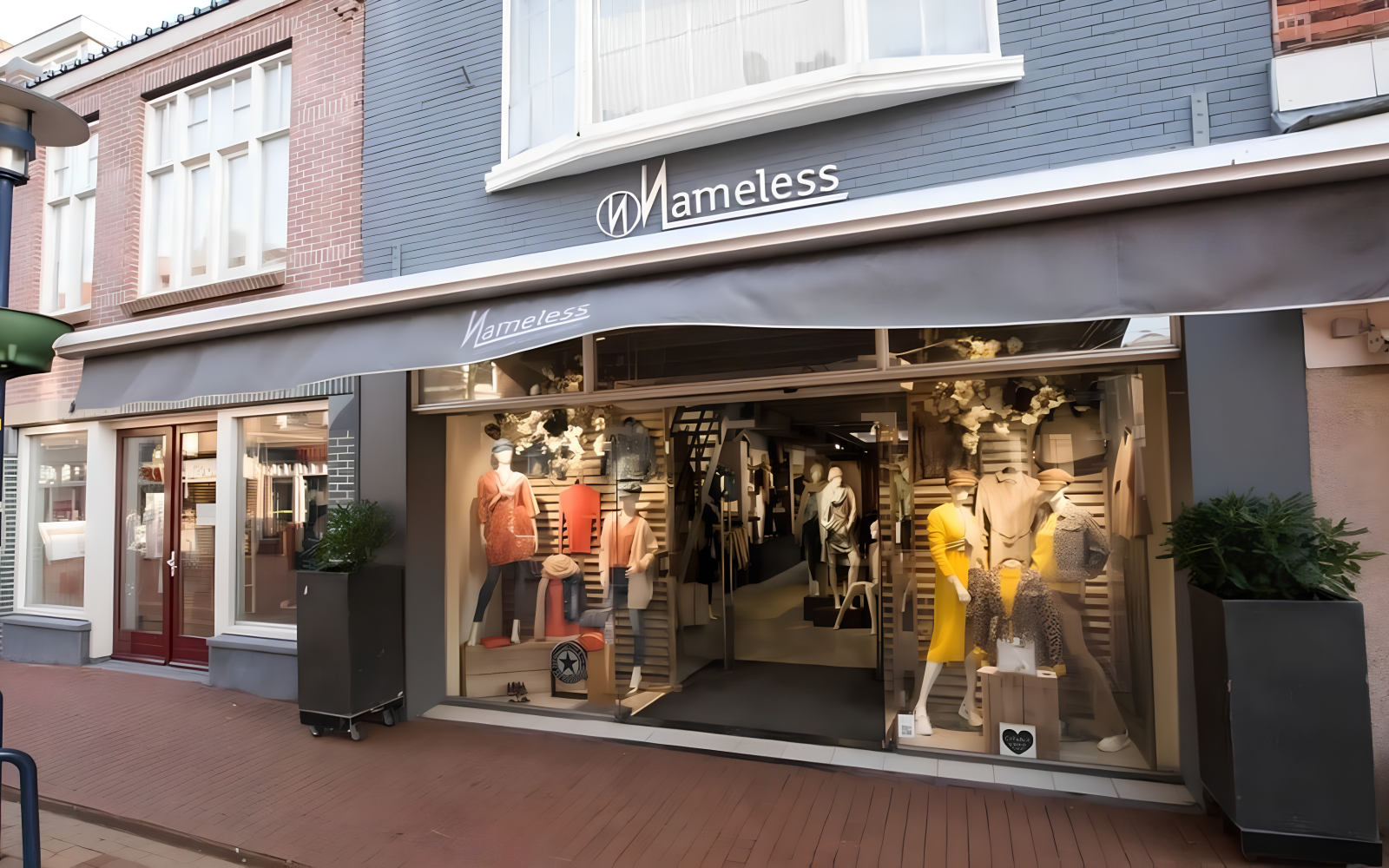
    Nameless

    Nameless combineert twee modewinkels en een outletstore in Den Helder met online verkoop. Toen online zichtbaarheid steeds belangrijker werd, wilde eigenaar Hans Frauenfelder verder groeien zonder dat iedere nieuwe collectie extra handmatig invoerwerk opleverde. Met productdata van Latest Collection kreeg Nameless een efficiëntere basis voor de webshop en andere online verkoopkanalen.

    The challenge

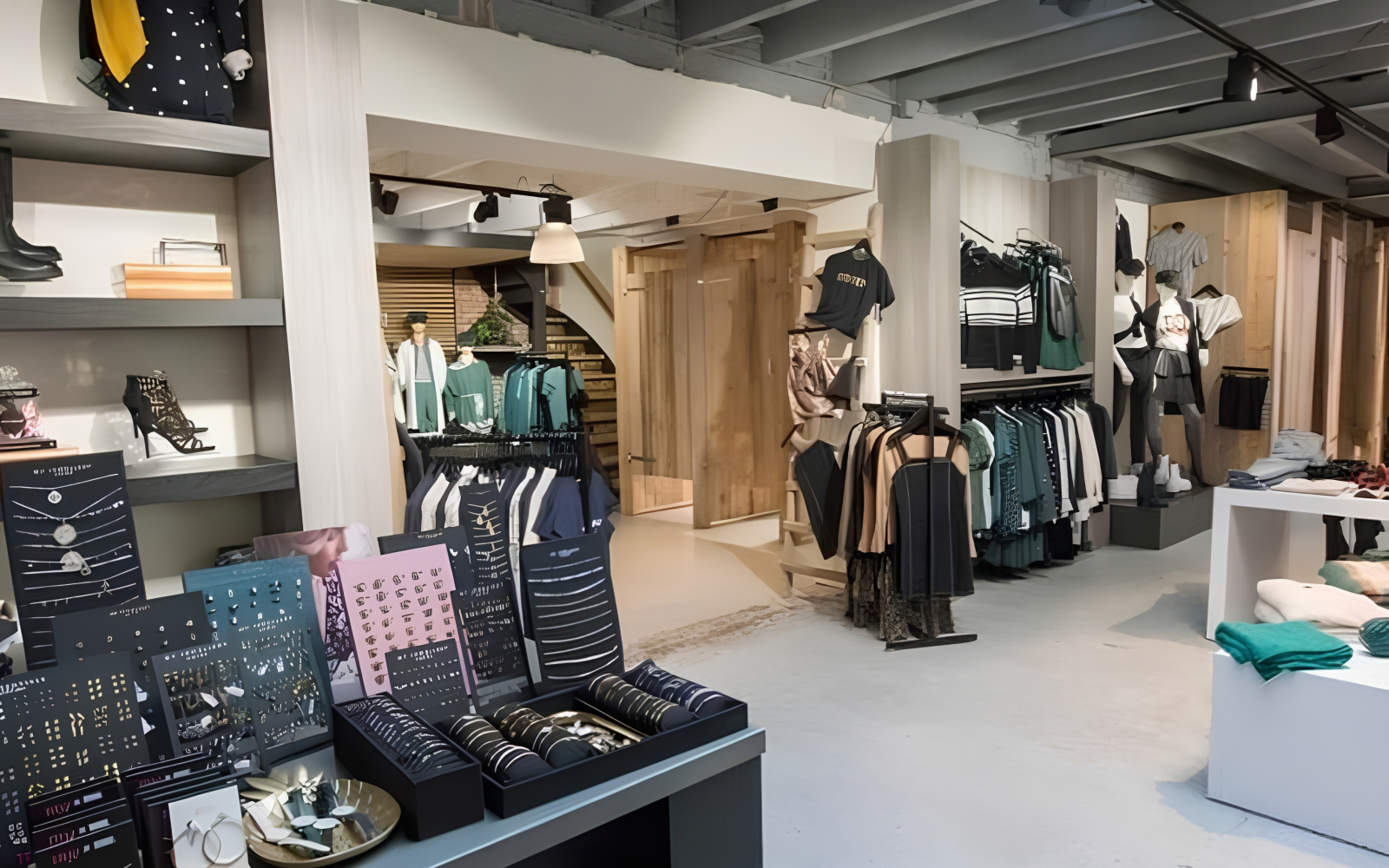
    Nameless is al 25 jaar actief in de modebranche. Eigenaar Hans Frauenfelder bouwde in Den Helder een winkelconcept op met twee modewinkels en een outletstore, gericht op een brede doelgroep. Van jonge vrouwen tot klanten boven de zestig: het assortiment bestaat uit kleding, schoenen en sieraden van verschillende merken.

    Ook de omgeving waarin Nameless opereert veranderde. Investeringen in toerisme en nieuwe vakantieparken zorgden voor een langer zomerseizoen in de regio. Dat biedt extra kansen, maar betekent ook dat de winkel op meer momenten zichtbaar moet zijn voor klanten die niet vanzelfsprekend uit Den Helder komen.

    Daarmee werd online verkoop steeds belangrijker.

    Een fysieke winkel kan lokaal een sterke naam hebben, maar online concurreer je ineens met veel grotere spelers. Grote modeplatforms beschikken over uitgebreide webshops, grote marketingbudgetten en enorme assortimenten. Voor een zelfstandige retailer is het daarom belangrijk om online aanwezig te zijn zonder dat de webshop onevenredig veel extra werk vraagt. Juist daar zat een belangrijke uitdaging voor Nameless.

    Iedere nieuwe collectie brengt opnieuw productinformatie met zich mee. Artikelnummers, kleuren, maten, prijzen en andere gegevens moeten beschikbaar zijn voordat een product online kan worden aangeboden. Wanneer die informatie handmatig moet worden ingevoerd, kost dat tijd en neemt de kans op verschillen tussen systemen toe.

    Voor een retailer met meerdere merken loopt dat werk snel op. Dezelfde informatie bestaat vaak al bij het merk, maar moet vervolgens opnieuw worden verwerkt voor de eigen webshop of andere verkoopkanalen.

    Voor Nameless was de vraag daarom niet alleen hoe de online zichtbaarheid kon groeien, maar vooral hoe dat kon zonder dat iedere uitbreiding van het online assortiment automatisch meer handmatig werk betekende.

    Nameless Qliqpoint en Ecwid met data latest Collection

    The solution

    In 2021 zette Nameless een volgende stap in de online verkoop met de lancering van een Ecwid-webshop. Daarbij werd gebruikgemaakt van productdata die via Latest Collection beschikbaar was.

    Het uitgangspunt is eenvoudig: productinformatie die bij fashionmerken al aanwezig is, hoeft een retailer niet telkens opnieuw vanaf nul op te bouwen.

    Latest Collection verzamelt beschikbare artikeldata van aangesloten fashionmerken en maakt deze geschikt voor verdere verwerking in aangesloten systemen. Hierdoor ontstaat een centralere basis voor productinformatie die een retailer in verschillende verkoopkanalen kan gebruiken.

    Voor Nameless betekende dit dat het opbouwen van het online assortiment minder afhankelijk werd van volledig handmatige invoer. De Ecwid-webshop werd daarnaast gekoppeld aan fashionplatform Miinto. Daarmee kreeg Nameless naast de eigen winkelomgeving ook toegang tot een groter online publiek.

    Dat is vooral interessant voor een zelfstandige retailer. Een webshop hoeft dan niet uitsluitend klanten te bereiken die de fysieke winkels al kennen. Producten kunnen ook zichtbaar worden voor consumenten die via andere online verkoopkanalen zoeken naar een bepaald merk of artikel.

    Productdata vormt daarin een belangrijk fundament. Een artikel kan pas goed online worden aangeboden wanneer de basisinformatie beschikbaar is. Denk aan het juiste artikel, de maat, kleur, prijs en andere gegevens die nodig zijn om het product herkenbaar in het verkoopkanaal te presenteren. Door die gegevens centraler beschikbaar te maken, kon Nameless de stap naar online verkoop efficiënter organiseren.

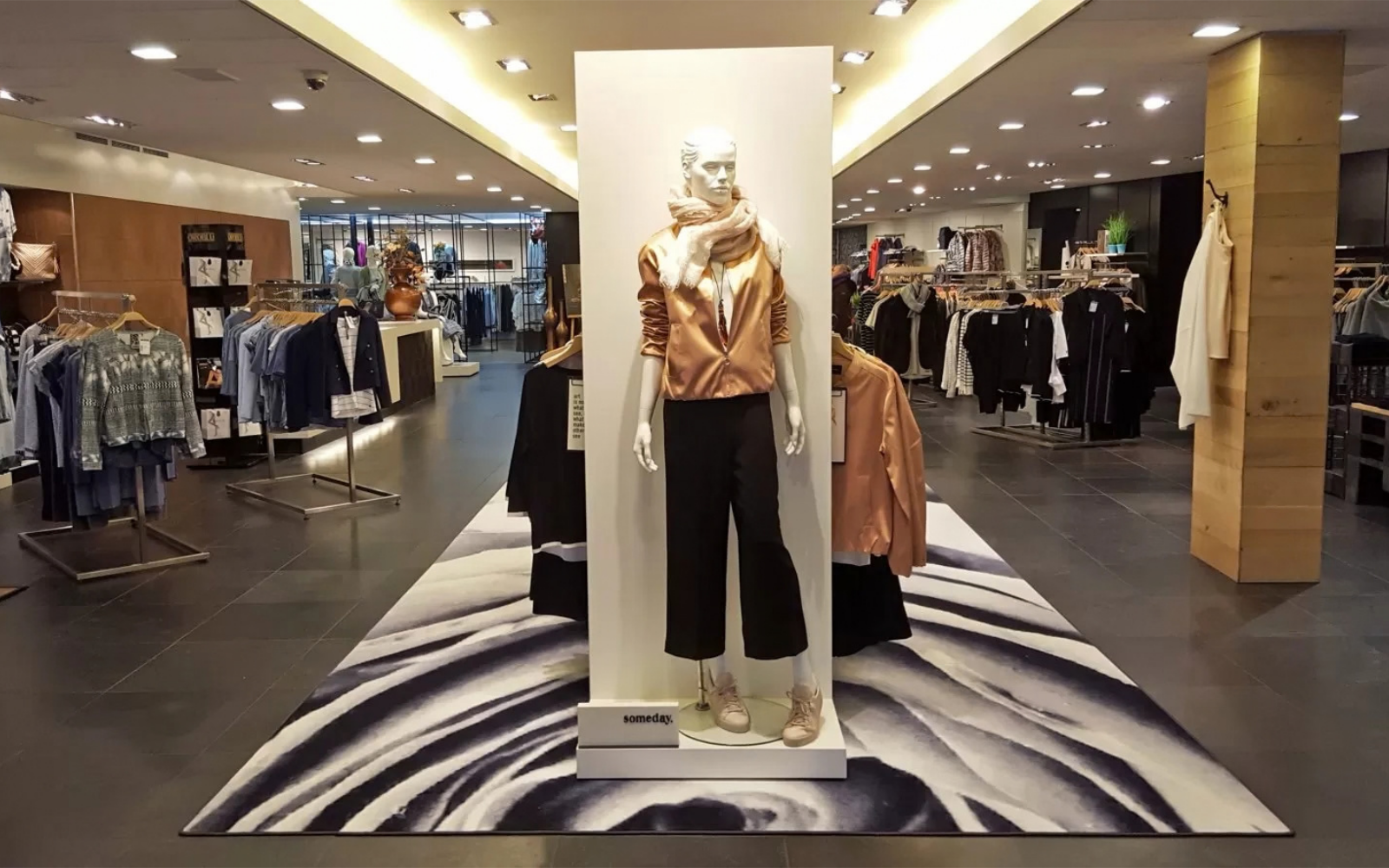
    Winkel Nameless Den Helder

    Van winkel naar meerdere verkoopkanalen

    De situatie van Nameless laat goed zien waarom productdata voor webshops meer is dan alleen een technische aangelegenheid.

    Een retailer verkoopt niet langer uitsluitend vanuit één fysieke winkel. Dezelfde collectie kan zichtbaar zijn in de winkel, in een eigen webshop en via een extern fashionplatform. Daarmee neemt ook het aantal plekken toe waar dezelfde artikelinformatie nodig is. Wanneer ieder kanaal afzonderlijk moet worden gevuld, ontstaat dubbel werk. Bovendien kunnen verschillen ontstaan wanneer informatie op het ene kanaal wel wordt aangepast en op het andere niet.

    Een centralere productdatastroom maakt die structuur overzichtelijker. Beschikbare informatie hoeft minder vaak opnieuw te worden opgebouwd en kan gemakkelijker worden gebruikt in de systemen en kanalen waarmee de retailer werkt.

    Voor Nameless ondersteunt dat de combinatie van fysieke winkels en online verkoop. De winkel blijft belangrijk, maar het bereik hoeft niet meer te stoppen bij de voordeur.

    Werk je zelf met een kassasysteem, webshop of ander retailplatform en wil je weten of jouw omgeving kan aansluiten op Latest Collection? Bekijk de aangesloten systemen of doe direct de Data Check om te zien welke mogelijkheden er zijn voor jouw situatie.

    The result

    Door de webshop te combineren met beschikbare productdata en een koppeling met Miinto kon Nameless zijn online verkoop verder uitbouwen zonder volledig afhankelijk te zijn van handmatige productinvoer. Dat levert vooral praktische voordelen op. Nieuwe artikelen kunnen efficiënter worden voorbereid voor online verkoop en medewerkers hoeven minder vaak dezelfde productinformatie opnieuw in verschillende omgevingen op te bouwen.

    Tegelijkertijd vergroot een online verkoopkanaal het potentiële bereik van de winkel. Waar Nameless vanuit Den Helder een sterke regionale klantenkring bedient, maakt online verkoop het mogelijk om ook consumenten buiten de directe omgeving te bereiken.

    De samenwerking tussen fysieke retail en online verkoop wordt daarmee steeds belangrijker. Niet omdat de webshop de winkel vervangt, maar omdat beide kanalen elkaar kunnen versterken.

    Voor Nameless past die ontwikkeling bij een onderneming die al 25 jaar meebeweegt met de markt. De winkel blijft herkenbaar en persoonlijk, terwijl technologie op de achtergrond helpt om het assortiment ook online beschikbaar te maken.

    Zo wordt productdata geen extra administratieve taak, maar een basis waarmee een zelfstandige moderetailer zijn bereik kan uitbreiden en efficiënter kan werken.

    Read reference →: Nameless
  • Maddox
    ,

    Maddox

    Maddox combines fashion stores in the heart of Amstelveen with online sales throughout the Netherlands. When digital became increasingly important, owner Marco Mulders wanted to further professionalize his online store without creating additional manual work for new collections. With product data from Latest Collection, Maddox had a more efficient basis to make items available both in the store and online.

    The challenge

    Maddox has been a well-known name in the heart of Amstelveen for years. With Maddox Casual and Next Door, owner Marco Mulders focuses on women's and men's fashion in the mid- and high-end segment, with a strong position in jeans and casual fashion. The physical store still forms an important part of the company.

    But the way consumers shop has changed. Customers research online, compare items before going to a store and expect a collection to be visible outside of opening hours as well.

    For Maddox, this became particularly clear when the number of visitors in the shopping center came under pressure. COVID-19 and a major renovation of Stadshart made it clear how vulnerable it can be when sales depend primarily on the physical store.

    Online visibility was therefore not an additional channel alongside the store, but an important part of Maddox's further development.

    Starting a webshop is one thing. Keeping a webshop well stocked with new collections is something else entirely.

    With each season, new items, sizes, colors, EAN codes, prices, and other product information are added. Moreover, in a multi-brand retailer, there are different brands that do not all provide information in the same way.

    When all that data has to be manually compiled into a webshop, a lot of repetitive work arises. Employees spend time entering and checking information while their attention is also needed for customers, collection presentation and sales in the physical store.

    For Maddox, the challenge therefore wasn’t just going online. The real question was: how can you grow physical retail and online sales side by side without increasing the time required to manage product information?

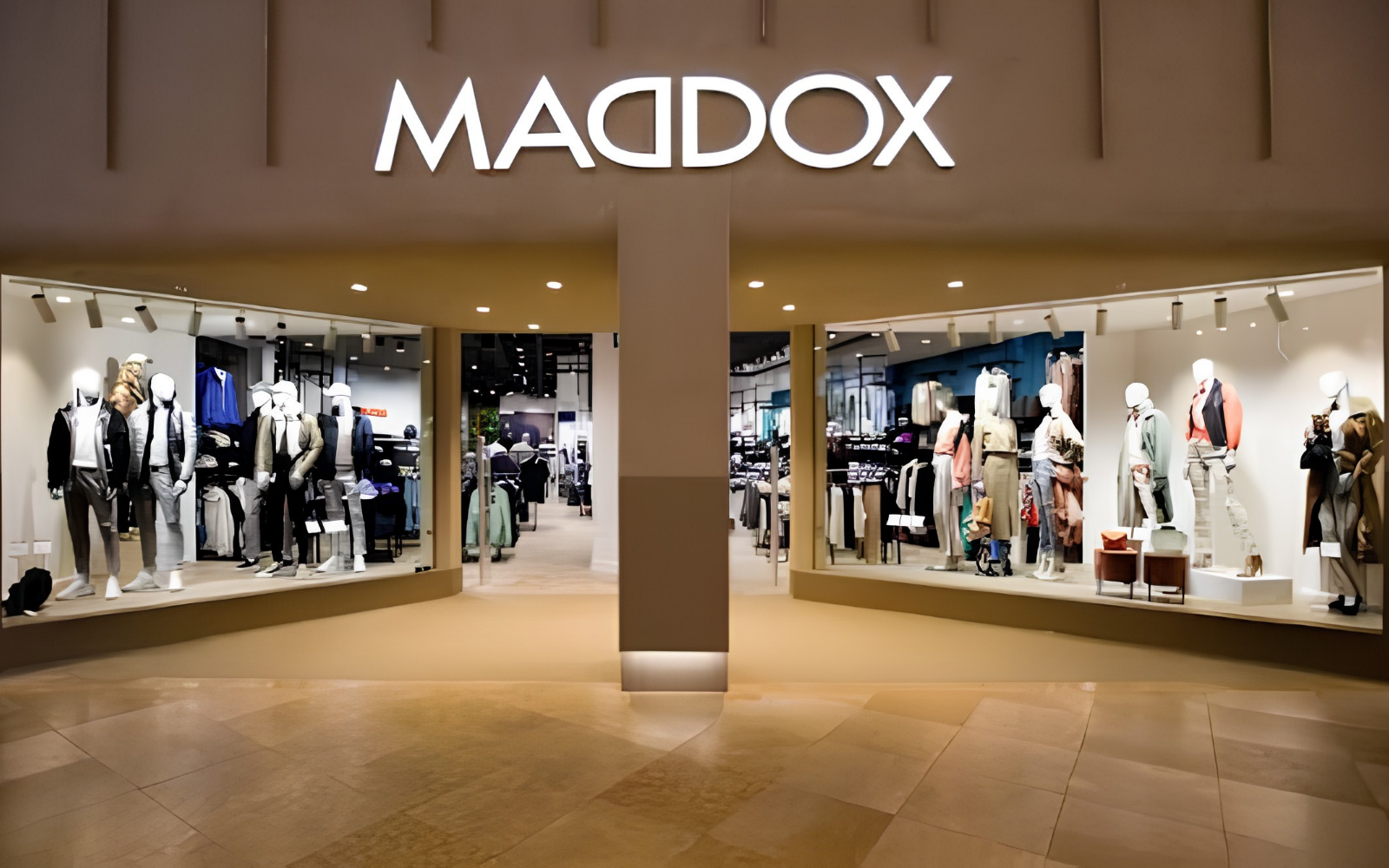
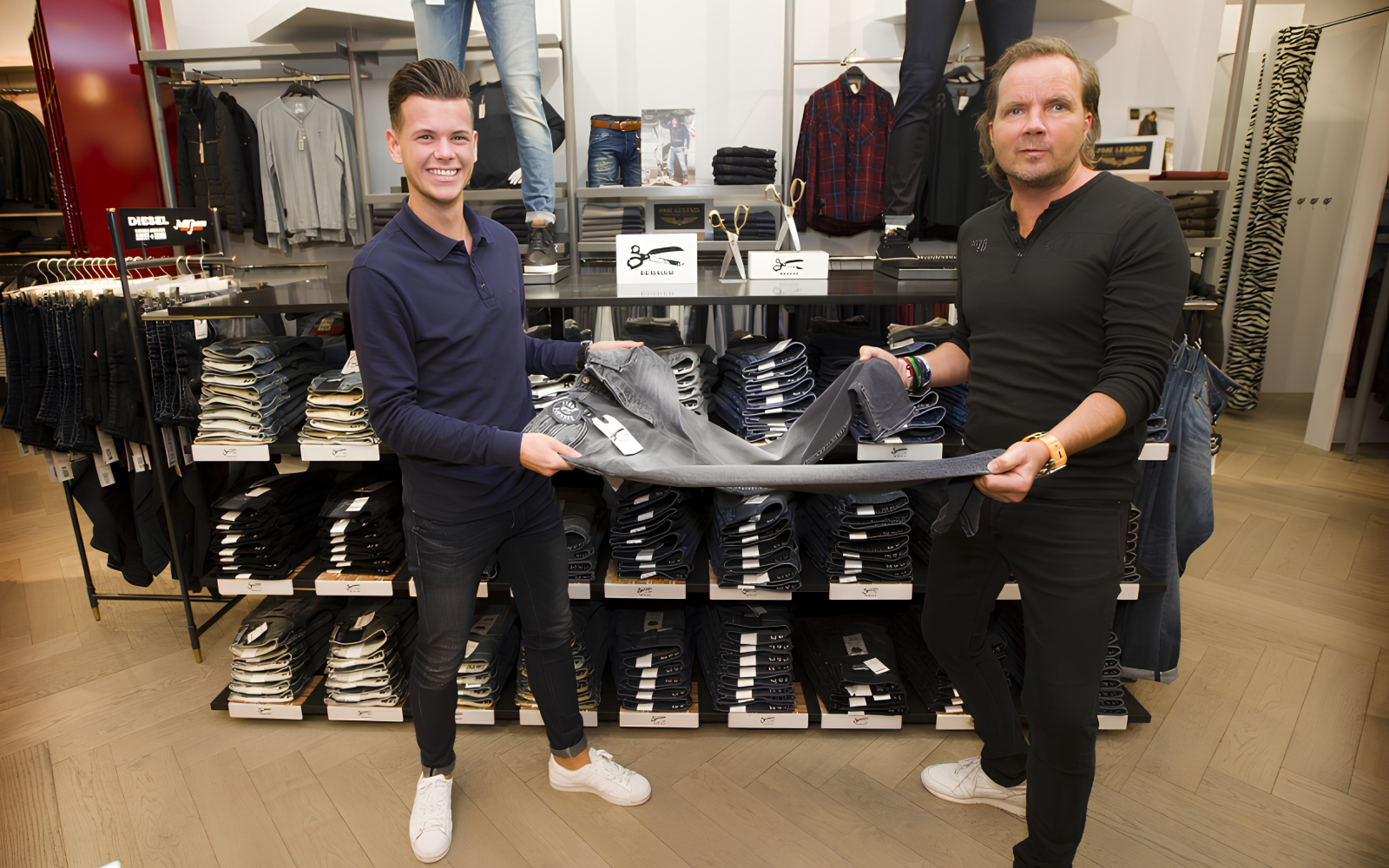
    Shop for Maddox jeans

    The solution

    In 2020, Marco and his son took the first steps with their own webshop. When the online activities were further professionalized, Maddox chose Ecwid in combination with product data via Latest Collection.

    Latest Collection collects available item data from fashion brands in a central environment. Depending on what a brand provides, this information can include item numbers, EAN codes, sizes, colors, prices, and product images, among other things.

    That data is standardized and can then be made available to connected point-of-sale systems, back-office solutions, and retail platforms. This prevents a retailer from having to build all the available information for each collection from scratch.

    For Maddox, this creates a more logical route from brand to sales channel.

    Product information that is already available can be used when preparing items for online sales. This makes the webshop less dependent on completely manual input and allows the range to be expanded more efficiently when new collections arrive.

    This is important in an environment where online and offline are increasingly merging. The webshop is not a standalone project, but an additional display of the same collection that is also displayed in the physical stores.

    Shop Maddox with the latest collection

    One collection, multiple sales points

    The case of Maddox illustrates well why product data becomes important once a retailer combines multiple sales channels.

    An item must not only be recognizable on the clothing rack. The same information is also necessary when a consumer views the product online. The item name, size, color, price, and other details together form the digital version of the product.

    When that information is reconstructed again and again, there is double work involved. Moreover, it becomes more difficult to switch quickly when new articles are added.

    With a central product database, existing brand data can be brought closer to the systems in which the retailer works daily.

    Would you like to know if your own point-of-sale system, backoffice or retail platform can work with the available product data from Latest Collection? Then take a look at the Connected systems and partners. Here you can see which solutions are already connected to the platform. The current partner page is specifically designed to show retailers which systems are connected and what options are available for each partner.

    See for yourself which data is available

    Retailers do not have to go through an extensive process to get acquainted with Latest Collection.

    Through the platform, you can see for yourself which fashion brands are available and get an overview of the item data that is available within Latest Collection. There are now more than 1,000 fashion brands included in the platform.

    Create a free account and discover for yourself which brands and product information are available.

    If you want to know first which brands you already sell in the Latest Collection and whether your system is compatible, you can also check the Data Check Use it. This will give you a quick first impression of what is available for your store.

    The result

    For Maddox, the combination of the physical store, online shop and available product data supports a retail model in which online and offline complement each other.

    The online store makes it possible to expand the reach of Maddox beyond Amstelveen alone. The current customer case describes that Maddox sells products throughout the Netherlands via the online store.

    At the same time, the physical store remains an important part of the company. This is precisely where the strength of a standalone fashion retailer lies: personal contact, knowledge of the collection, and advice that is difficult to fully replicate online.

    Technology does not need to take over that retail experience. The greatest value is created when systems make the work behind the scenes easier.

    By organizing available product information more centrally, the team doesn’t have to rebuild the same data as often. New collections can be prepared more efficiently for online sales, and the webshop can grow without every expansion automatically requiring the same amount of extra input work.

    For Maddox, digital growth therefore does not mean choosing between a store or an online shop.

    The strength lies in the combination: a strong physical store for personal contact and an online channel that allows the same collection to reach a much larger audience.

    Read reference →: Maddox

Geen referenties gevonden.

Pas je zoekopdracht aan en probeer het opnieuw.

Ook je productdata slimmer laten doorstromen?

Bekijk andere praktijkvoorbeelden of bespreek welke mogelijkheden er zijn voor jouw winkel of organisatie.