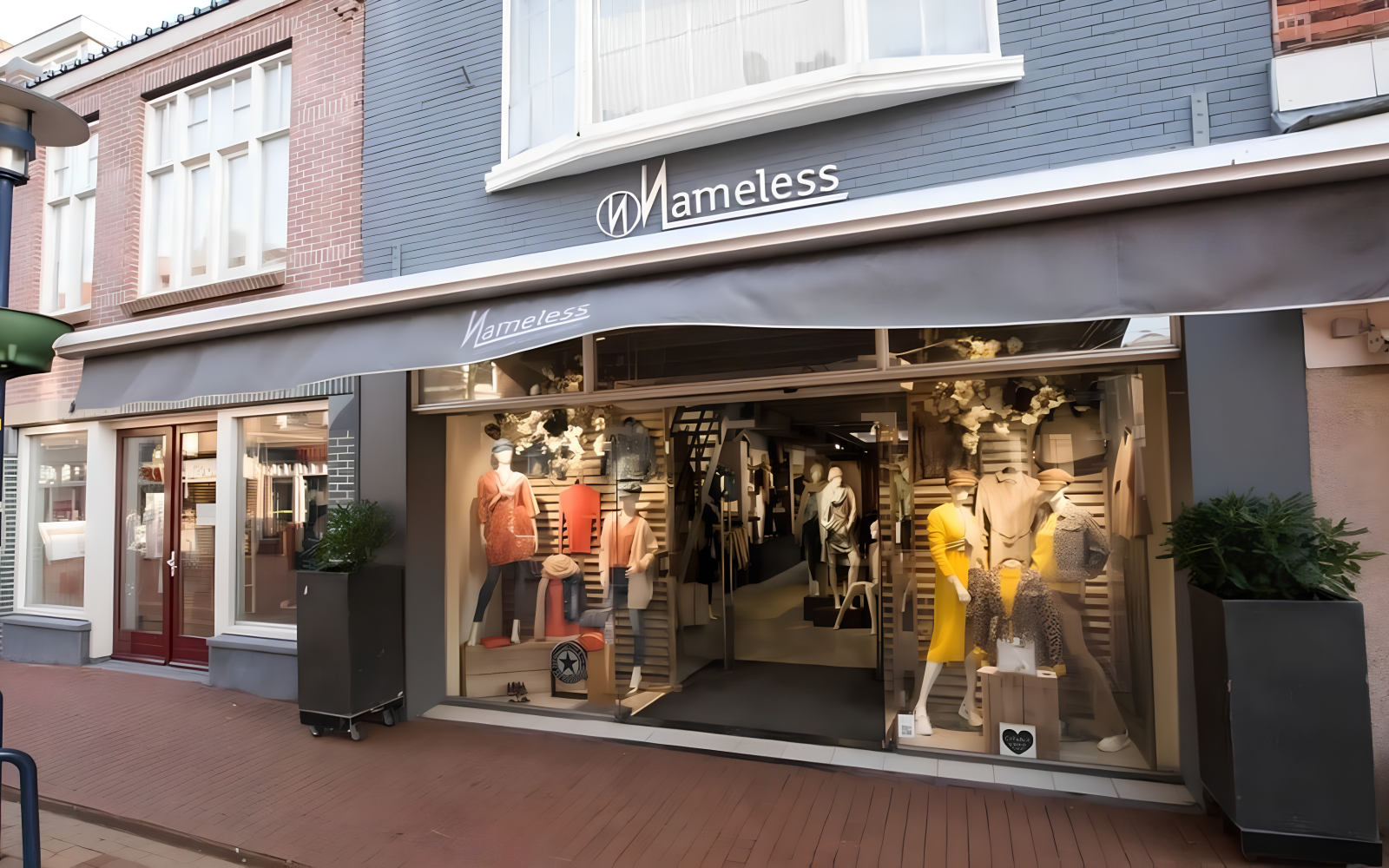
Four generations of fashion, a wide range of brands and a store that continues to develop. For Modehuis Boersma, it became increasingly important to organize product information as well as the store itself. With Latest Collection, available item data from brands are brought together, so new collections can be processed with less manual work for the store and online sales.
The challenge
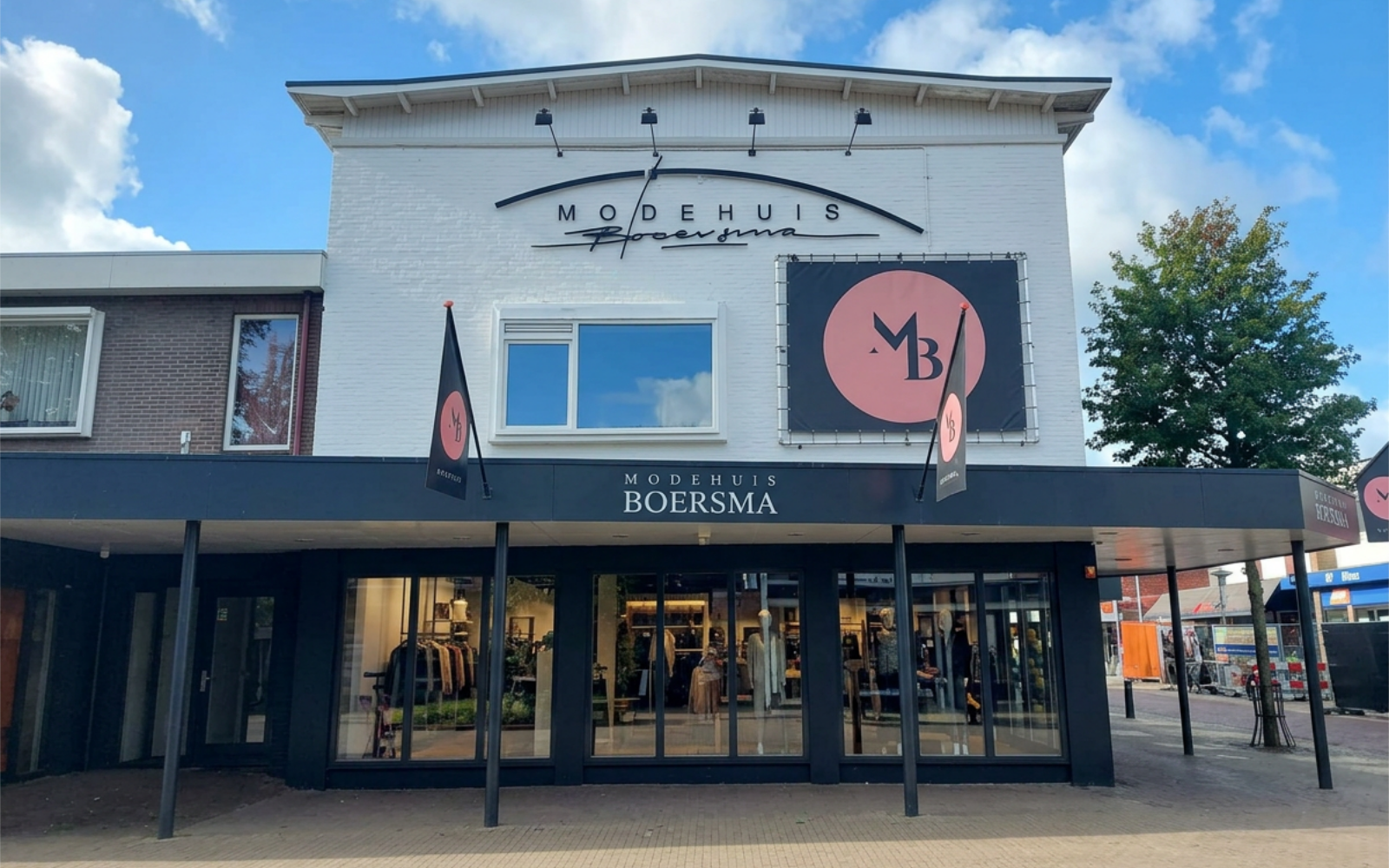
Fashion house Boersma Has been active in the Dutch fashion industry for four generations. What once started as a wool shop on Hoofdstraat Oost grew into a multi-brand fashion retailer with a wide range of brands and its own online sales channel. Over the years, not only the store has changed, but also the amount of information needed to properly sell a collection.
With every new collection, large amounts of product information are also being entered alongside the garments themselves. Article numbers, EAN codes, sizes, colors, prices, and other item details must be available at the right time in the systems used by the store team.
In a retailer like Modehuis Boersma, with many different brands, that information flow can quickly become fragmented. One brand provides data through a file, another uses a different structure, and sometimes some of the information is not available when the collection arrives. Employees have to check, update, or re-enter data before items are ready for use.
That work often takes place exactly when there is already enough to do in the store. New collections need to be unpacked, presented, and prepared for sale. At the same time, the right product information must be available for the checkout and the online channel.
That is precisely why well-organized product data for fashion retailers is becoming increasingly important. The less time employees spend re-building information that is already available to the brand, the faster a collection can be put to actual use.
For Fashion House Boersma, the challenge therefore lay not only in collecting data, but above all in creating a workable and reliable route from brand to store.
The solution
Latest Collection brings available product data from fashion brands together in a single central environment. Article information is collected and standardized, so that it can be made further available to retailers via connected systems.
For Fashion House Boersma, this means that article data that is already available does not need to be manually compiled again for every new collection. Information such as EAN codes, sizes, colors, prices, and other product details can be further processed from a central data source within the systems used by the retailer.
This creates a clearer data flow. Instead of having to re-determine how information should be processed for each brand individually, there is now one central base where available brand data is gathered.
This makes it easier to prepare new collections. When data is already available, employees need to enter the same information less often or have to search for it from different files.
There is also greater consistency between the different sales channels. The physical store and the online channel ultimately use the same products and therefore benefit from a reliable base of product information.
Latest Collection does not take over the retailer’s day-to-day operations. The platform instead ensures that product data can be better organized in the background, so that the staff at Modehuis Boersma no longer has to deal with technical data processing behind their cash register system.
For Fashion House Boersma, this fits well with the way the store operates: technology supports the process, but never takes center stage. The focus remains on the collection, the store, and the customer.
From brand to store floor
The value of central product data lies primarily in the route that information takes. A brand has article data, which ultimately needs to be entered into the retailer's systems.
The more parties and systems involved in this process, the greater the risk that data will be entered again, misinterpreted, or kept in different places.
By centralizing and standardizing available brand data, that route becomes more manageable. The same information can then be used within connected point-of-sale systems, software platforms, and other sales channels. View our connected partners here.
For a multi-brand retailer like Modehuis Boersma, this is important. After all, the assortment does not consist of a single brand with a consistent approach, but of different collections that all include their own product information.
A central data stream helps to better capture those differences without requiring the store team to reinvent the wheel for each brand.
The result
For Fashion House Boersma, a more centralized product data flow primarily provides greater visibility and less repetitive input work. New collections can be prepared more efficiently, and employees are less dependent on separate files and different methods of submission.
That doesn't mean that all manual tasks will disappear. Product information remains something that requires attention and not every brand provides exactly the same data. However, there is a better basis for working with that information.
When available product data is collected centrally, less information needs to be built from scratch. This makes the process around new collections more manageable and gives employees more room to focus on the store itself.
Ultimately, this is also relevant for the customer. Good product information supports a shopping environment where items are recognizable and correctly available, both in the physical store and online.
For Fashion House Boersma, this way of working fits a company that has been changing for generations without losing its own character. The systems in the background are becoming increasingly smarter, while on the shop floor the same central focus remains: a strong collection, personal advice, and attention to the customer.
The technology does as much of the work as possible in the background. The focus remains where it belongs: on the collection, the store and the customer.